
There are many ways to imagine Paris: the Eiffel Tower in the distance, coffee on a small terrace, or a walk that begins in one neighbourhood and quietly continues to the Seine. For a September city break, I would make room for all of these moments instead of trying to fit everything into one busy day.
This guide is here to help you choose what suits you: a cruise for a special evening, one museum you genuinely want to see, and a neighbourhood that feels good when you return to your hotel. The rest can stay open for a café discovered along the way or a longer pause than you planned.
Why visit Paris in September
September is a transition month. You may still have pleasant days for terraces and long walks, while mornings and evenings can feel cooler. Paris tourism climate data gives useful reference points of roughly 13°C for average lows and 21.5°C for average highs. These are planning guidelines, not a promise about your dates.
I would pack a light jacket, comfortable shoes and a compact umbrella. A museum afternoon and a café stop can be just as much part of the trip as a walk beside the river.
I would also avoid assuming that September automatically means an empty city or cheaper accommodation. Compare the dates that work for you and reserve the experiences you genuinely care about. Leave the rest flexible.
A Seine evening, without rushing to the next landmark
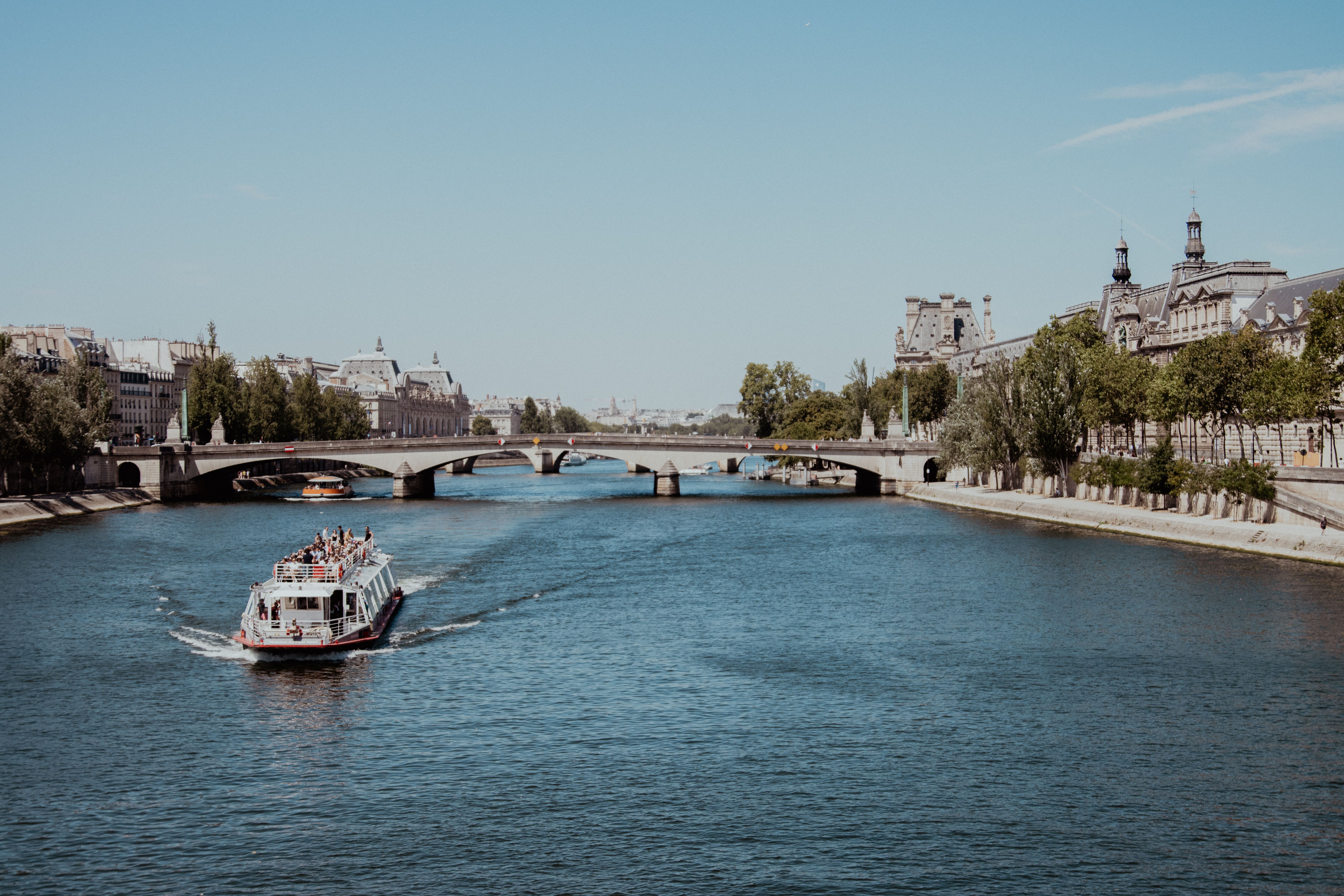
For the first evening, keep it simple: a walk by the river followed by a cruise. After travelling and walking for hours, it is lovely to let the city move past you instead of following another route on your phone.
A one-hour Seine sightseeing cruise is a good option if you want the views and a pause without giving the whole evening to one activity. Choose the departure point according to your route; operators do not all leave from the same place.
If you want the evening to be the highlight of your trip, compare a Seine dinner cruise. It is a different experience, with more time and a separate budget. Check the menu, drinks, duration and seating conditions rather than assuming every package includes the same things.
For sunset, check the time on your travel date and leave a generous margin before boarding. The evening should begin with a walk, not a sprint.
Montmartre: a morning for streets and small discoveries
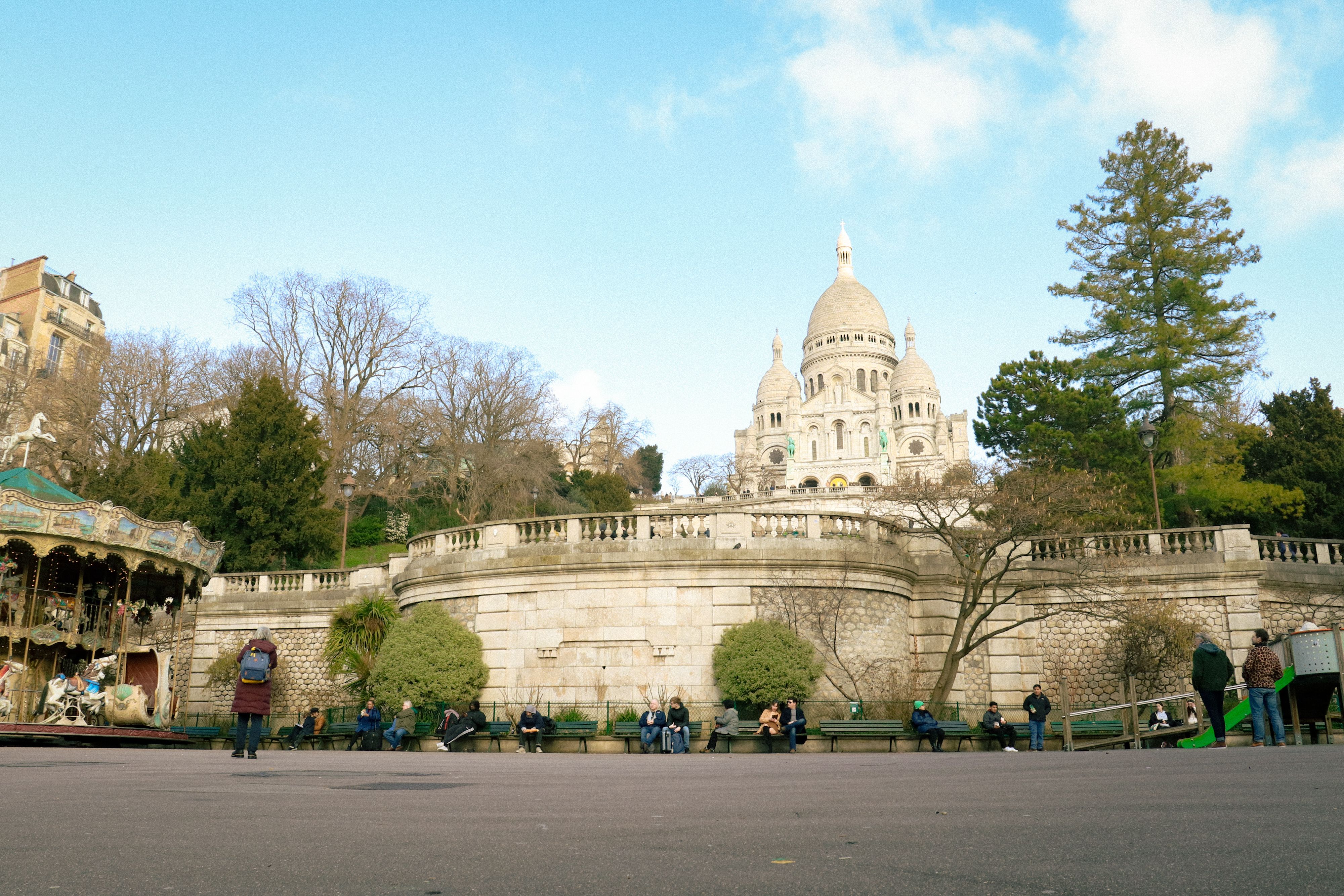
I would start in Montmartre in the morning and put the map away from time to time. Begin around Abbesses, walk towards Sacré-Cœur and continue through the surrounding streets. This is a suggestion for a walk, not a list to tick off; if you find a terrace you like, stay for a while.
The neighbourhood is easy to explore independently. If you enjoy the stories behind a place, a guided walking tour of Montmartre can add useful context. Check the tour language, group size and route: the area includes slopes and stairs, so comfort matters.
For travellers who prefer discovering a city through food, consider a Montmartre food tour instead of adding another sightseeing tour. Check what tastings are included and whether the experience suits your dietary requirements.
Choose one museum with intention: Louvre or Orangerie?
On a short trip, I would begin with one museum. Not because the other is not worth seeing, but because you have time to look, pause and leave without feeling that you ran through the galleries.
Louvre, if you want a clear art itinerary
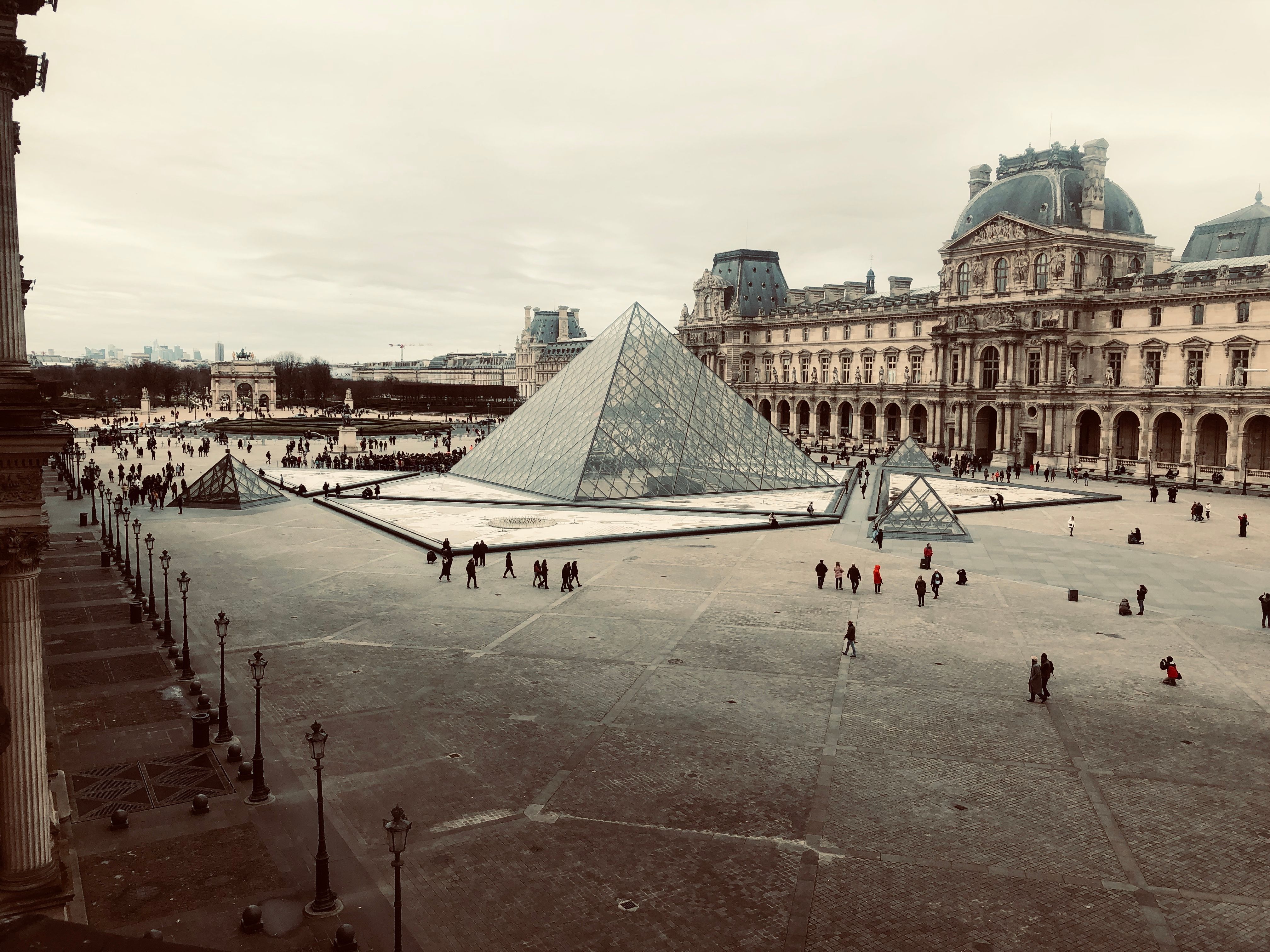
If the Louvre is one of your Paris wishes, give it a proper part of the day. A guided Louvre tour with admission included can suit you if you prefer a curated selection and an organised route. Check that admission is explicitly included; an exterior tour or a separate audioguide is not the same experience.
You can also visit independently with a ticket bought through the museum. Decide what you want to see instead of trying to cover everything. The Louvre is closed on Tuesdays, so check the official schedule before choosing your museum day.
Orangerie, if Monet is your reason to go
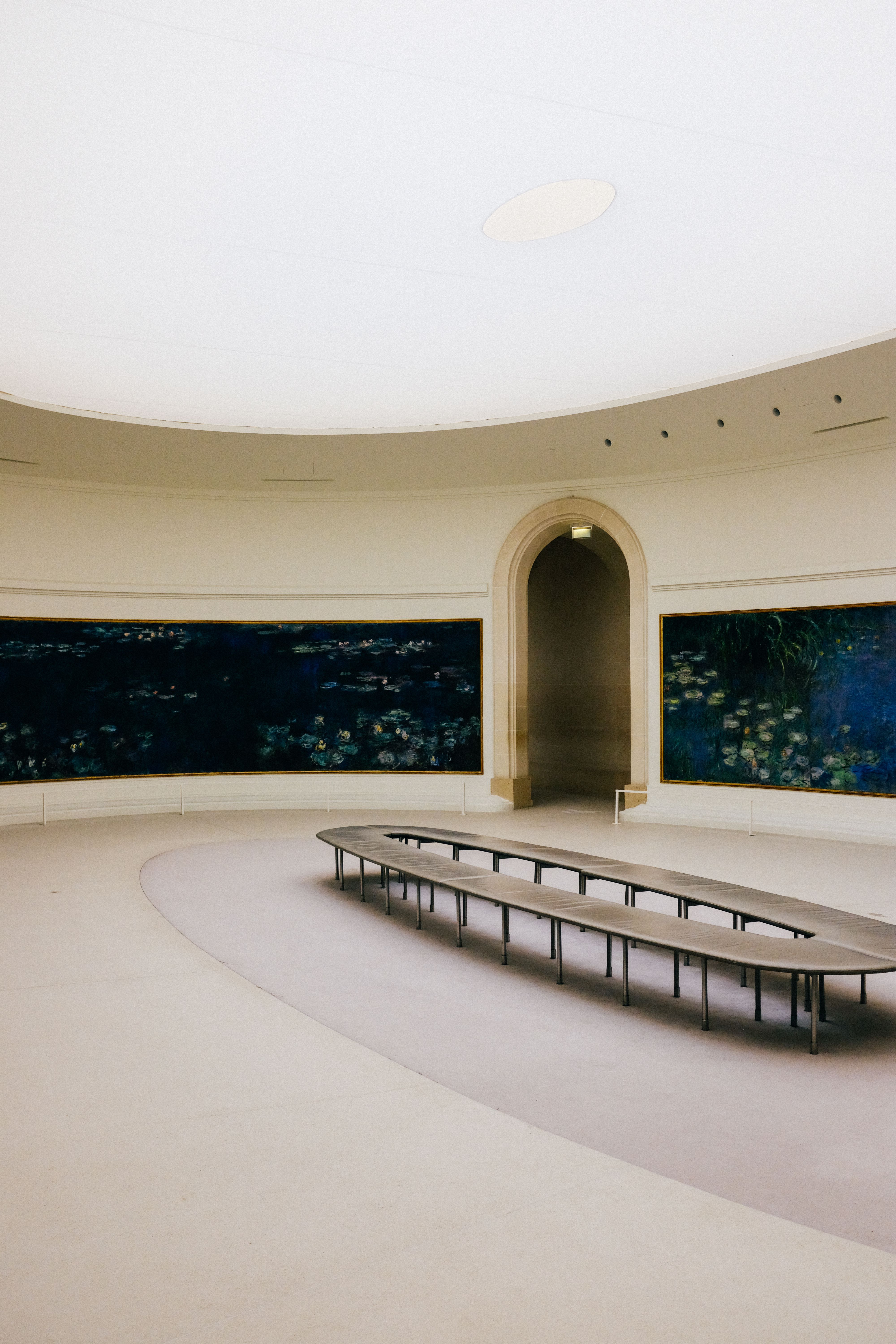
For a focused visit centred on Monet’s Water Lilies, consider the Orangerie. Afterwards, continue through the Tuileries Gardens and take a proper break without immediately changing neighbourhoods.
Look for a Musée de l’Orangerie admission ticket and check the entry time. Orangerie is also closed on Tuesdays, so it is not a same-day alternative to the Louvre.
The Eiffel Tower: choose the experience you actually want
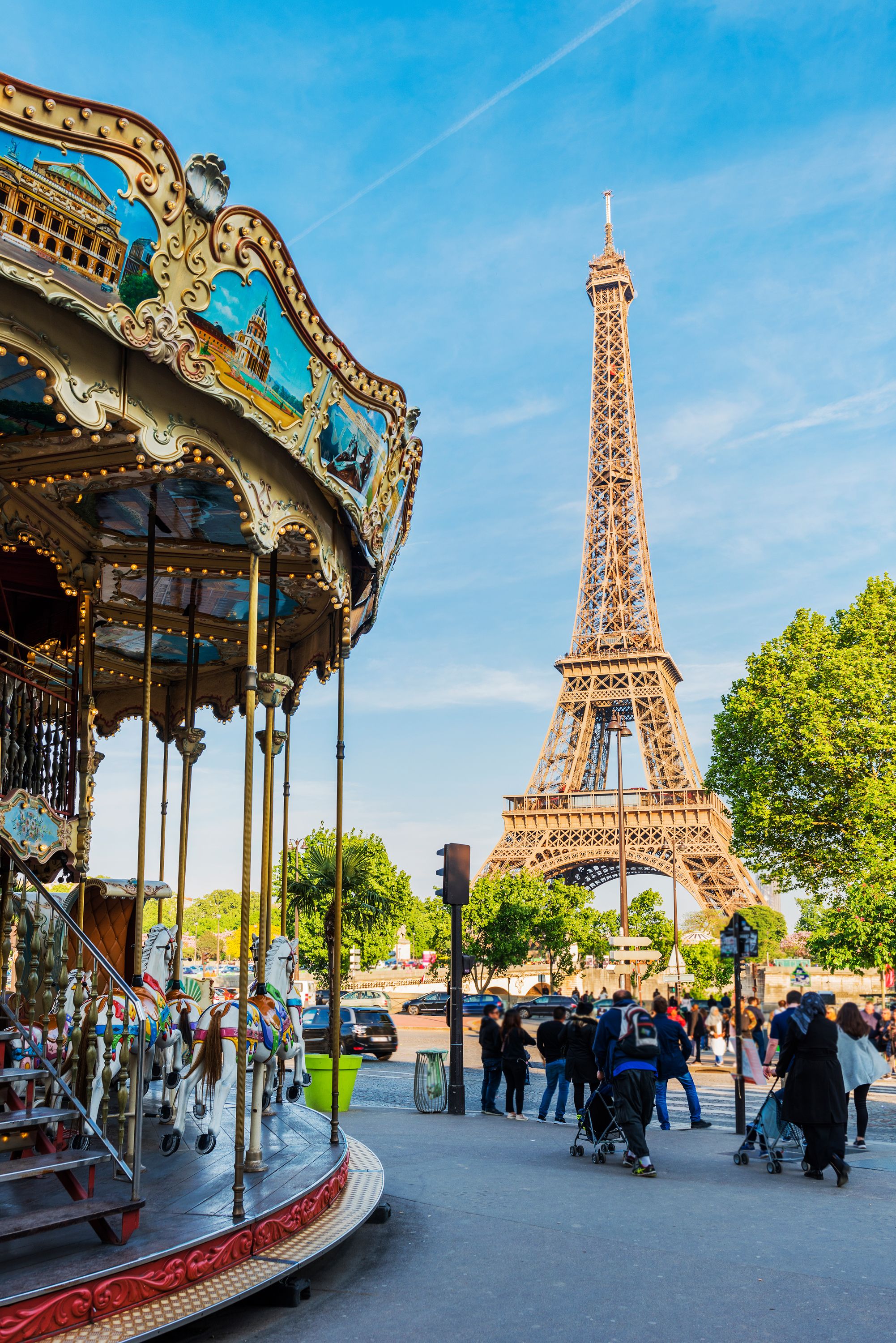
The Eiffel Tower can be a beautiful stop even if you do not go up. If you prefer walks and photographs, keep the time and budget for something else. You do not have to book every Paris icon to enjoy the city.
If you want the view from above, compare a second-floor Eiffel Tower visit with an Eiffel Tower summit visit. They are different products: summit access is not automatically included, and lift and stairs conditions are not interchangeable.
Choose according to your comfort and interest, then read the product details carefully. A reservation does not remove security checks or every possible wait. Leave space in your day for the visit itself.
Between reservations: Notre-Dame, the Seine and Le Marais
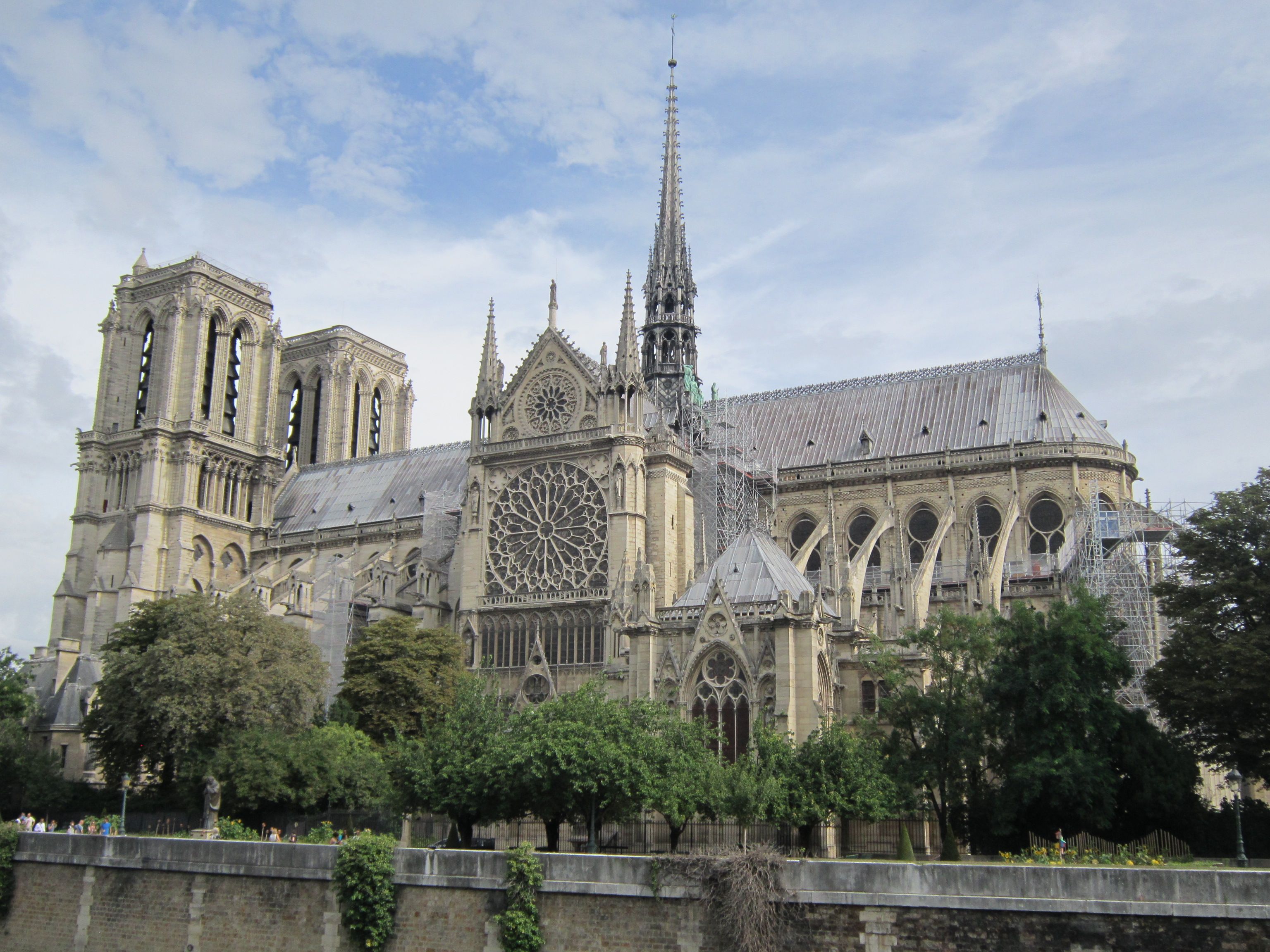
For another part of the trip, connect Notre-Dame with a walk along the Seine and a few hours in Le Marais. Not every stop needs to be a paid activity. Sometimes a street you return to and a meal chosen without rushing are enough for a good afternoon.
Entry to Notre-Dame Cathedral is free. The optional official reservation can reduce waiting. If you see a paid tour in this area, check what you are paying for: guided commentary is different from free cathedral entry.
In Le Marais, include Place des Vosges and let the rest of the afternoon unfold around streets, shops and food. Protecting a little unplanned time is part of a good itinerary.
If you visit on 19–20 September 2026
Check the programme for European Heritage Days. Beaux-Arts de Paris, for example, lists activities for 19 and 20 September 2026. It can be a lovely way to add a less obvious cultural visit to your route. Programmes and reservation rules differ by institution, so verify the place you choose.
Choose one event that genuinely interests you rather than filling the entire weekend.
Where to stay for a city break with fewer journeys
Choose the neighbourhood before choosing the hotel. Think about where you want to start your mornings, have dinner and connect to transport. A beautiful room matters, but so does the journey back after a full day on foot.
Le Marais accommodation is worth comparing if you like historic streets, shops and a central atmosphere. Check the exact address and noise reviews; two properties in the same neighbourhood can feel very different at night.
Saint-Germain-des-Prés hotels suit travellers imagining cafés, bookshops and walks on the Left Bank. Look carefully at room size and what the price includes, not only the photographs.
Opéra and Grands Boulevards accommodation are another direction if you want restaurants, shopping and convenient transport. Choose the exact address according to your route; a neighbourhood name alone does not tell you how easy the stay will be.
Before booking, check the private bathroom, lift access if needed, cancellation policy and any separate taxes.
How I would connect this into two days
Day one: Montmartre and an evening by the Seine
Start with Montmartre and leave time for lunch. In the afternoon, take public transport towards the Eiffel Tower if you choose to include it. Keep the evening for a cruise. If you book both the tower and the cruise, leave a comfortable gap between them and check the boarding location.
Day two: art, a walk and an unhurried meal
Choose the Louvre or Orangerie in the morning, then pause in the Tuileries. Continue towards Notre-Dame and Le Marais only if your rhythm allows. If one of your days is Tuesday, move the museum to the other day. Adjust this plan to your arrival, departure and reservations.
Flights: compare the whole journey, not only the fare
You can compare flights to Paris on Kiwi.com. Look at arrival and departure times, airport, baggage and transfer costs together. A lower fare is not necessarily more convenient if it adds a long transfer or important extras.
If the result includes a self-transfer, read the conditions carefully. You may need to collect and recheck luggage, and the protection of a standard connection should not be assumed. For a short escape, compare the saving with the extra time and complexity.
Leave room for the Paris you did not plan
Finish planning after choosing your accommodation, essential experiences and a few map points — not after filling every hour.
A cruise, one carefully chosen museum, a morning in Montmartre and a few unhurried meals can already shape a beautiful escape. If you choose a terrace instead of the next attraction, you have not missed the trip. You have made room for yourself in it.
For your next escape, explore the free Tanya Luxe Travel Paris guide for destination ideas and practical planning.
If this is your first visit and you are still deciding what needs to be reserved in advance, continue with Planning Your First Trip to Paris: What to Book First, What Can Wait.