There is a moment after booking a trip to Paris when the excitement can turn into a surprisingly long list.
The Eiffel Tower, the Louvre, Montmartre, Versailles, a Seine evening, cafés you have saved for months — and suddenly three or four days do not seem nearly enough.
I would not begin by trying to fit all of them into an itinerary. I would first look at the few decisions that can actually shape the trip: the days you will be in Paris, the area where you stay and the experiences you would genuinely regret missing.
Once those are in place, I would leave some room for Paris itself.
- Confirm your travel dates
- Choose your neighbourhood
- Book your accommodation
- Check weekly closing days
- Reserve the one or two experiences you care about most
- Plan airport transport
- Add flexible activities
- Leave some space
Start with your dates, not your attractions
Before buying a museum ticket, look at the actual days of the week you will be in Paris. It sounds obvious, but it can completely change an itinerary.
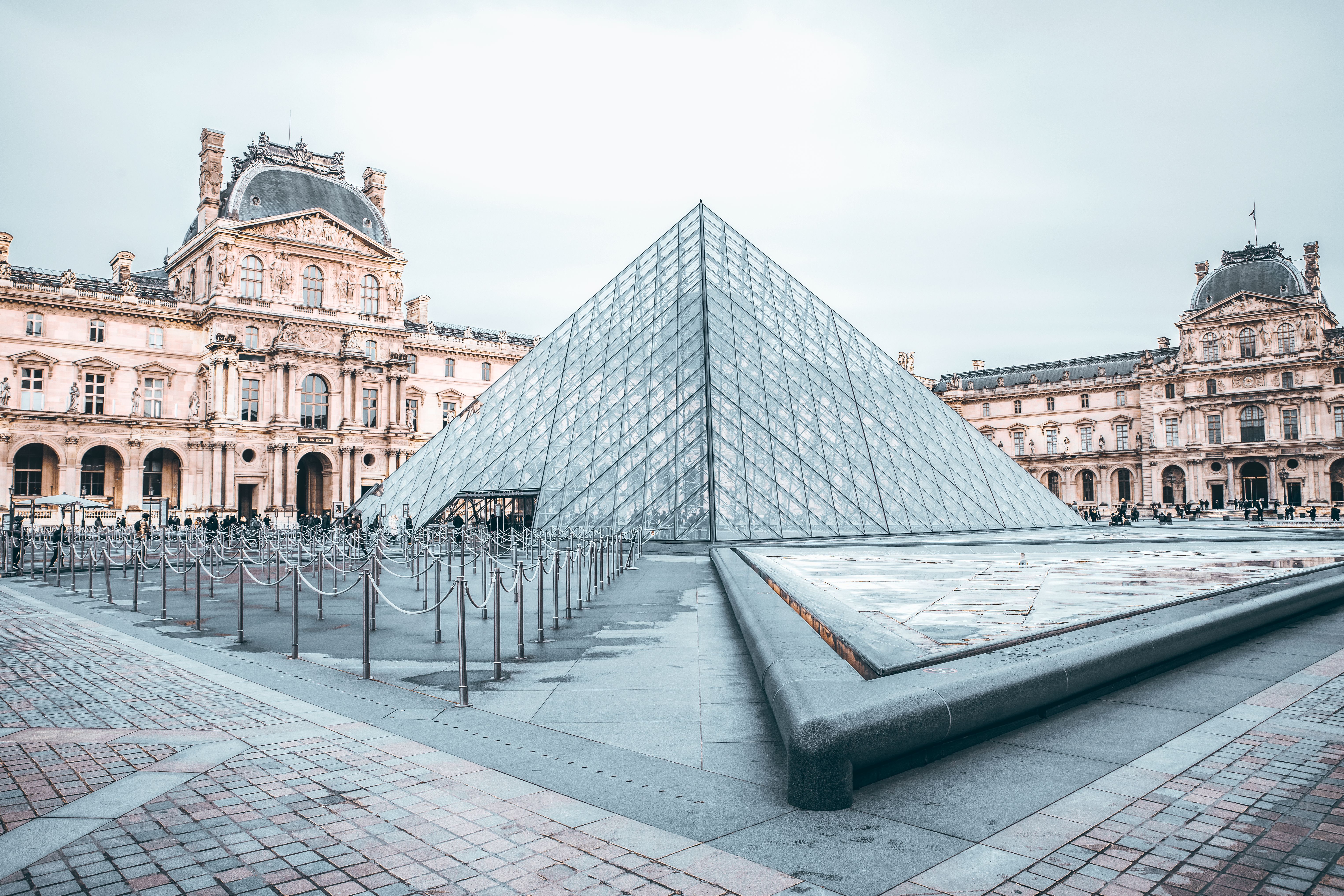
The Louvre is closed on Tuesdays. On Wednesdays and Fridays it stays open until 9 pm, while on Monday, Thursday, Saturday and Sunday it closes at 6 pm. That later opening can be useful on a short trip: instead of giving the museum one of your best afternoons, you may be able to keep it for the evening.
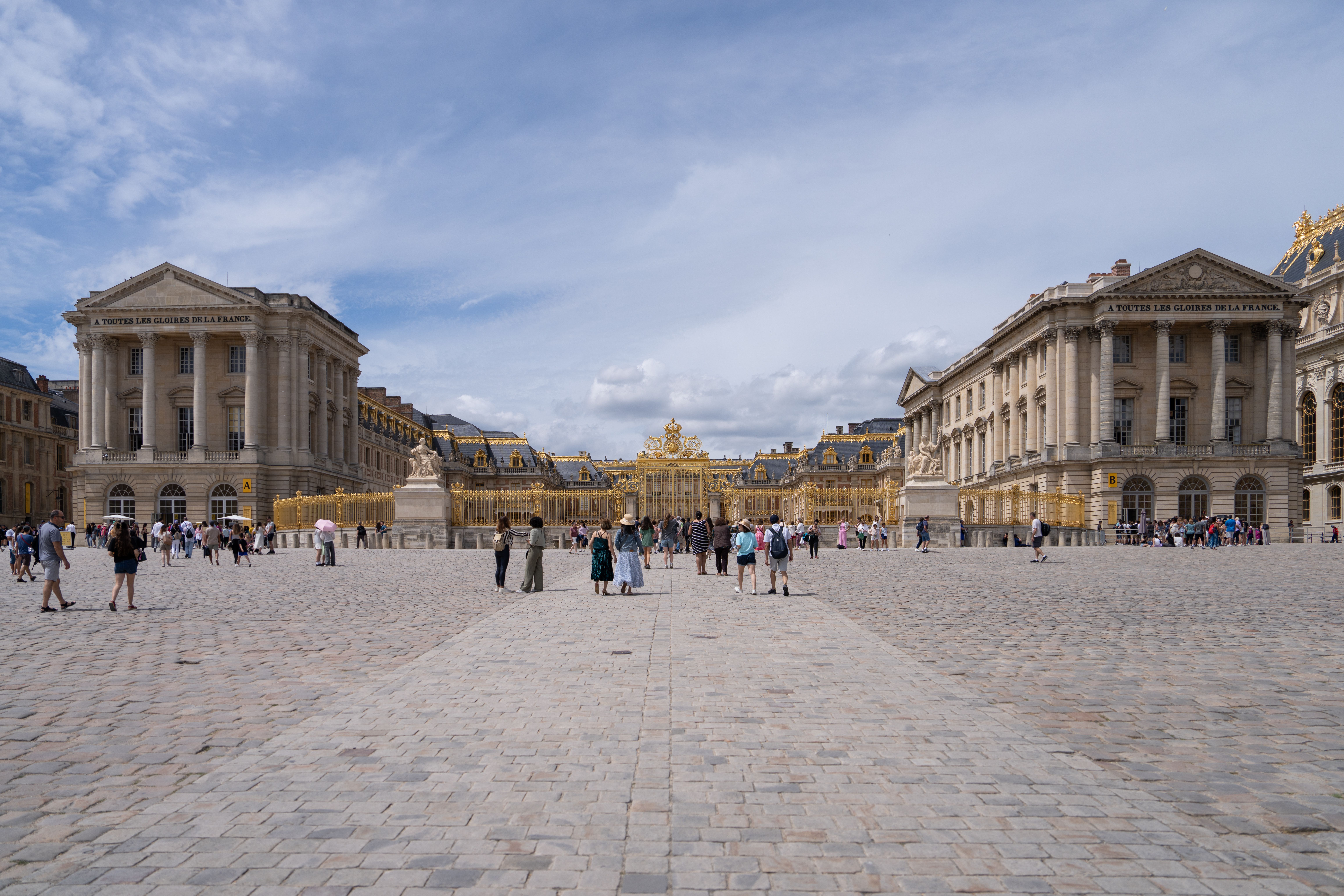
Versailles works differently. The Palace and the Estate of Trianon are closed on Mondays. Opening times vary with the season, so I would always check the official schedule for my exact travel date before building the day around it.
That means I would never begin with “Day 1: Louvre. Day 2: Versailles.” I would first ask: what days are Day 1 and Day 2?
A small planning mistake that can change the whole trip
If Tuesday is your Louvre day, or Monday is your Versailles day, the plan already needs to change. Weekly closing days are one of those small details that are easy to overlook when you are saving places on a map.
Book the experiences that can shape your itinerary
Not everything in Paris needs to be reserved far in advance. But a few experiences can determine what the rest of your day looks like.
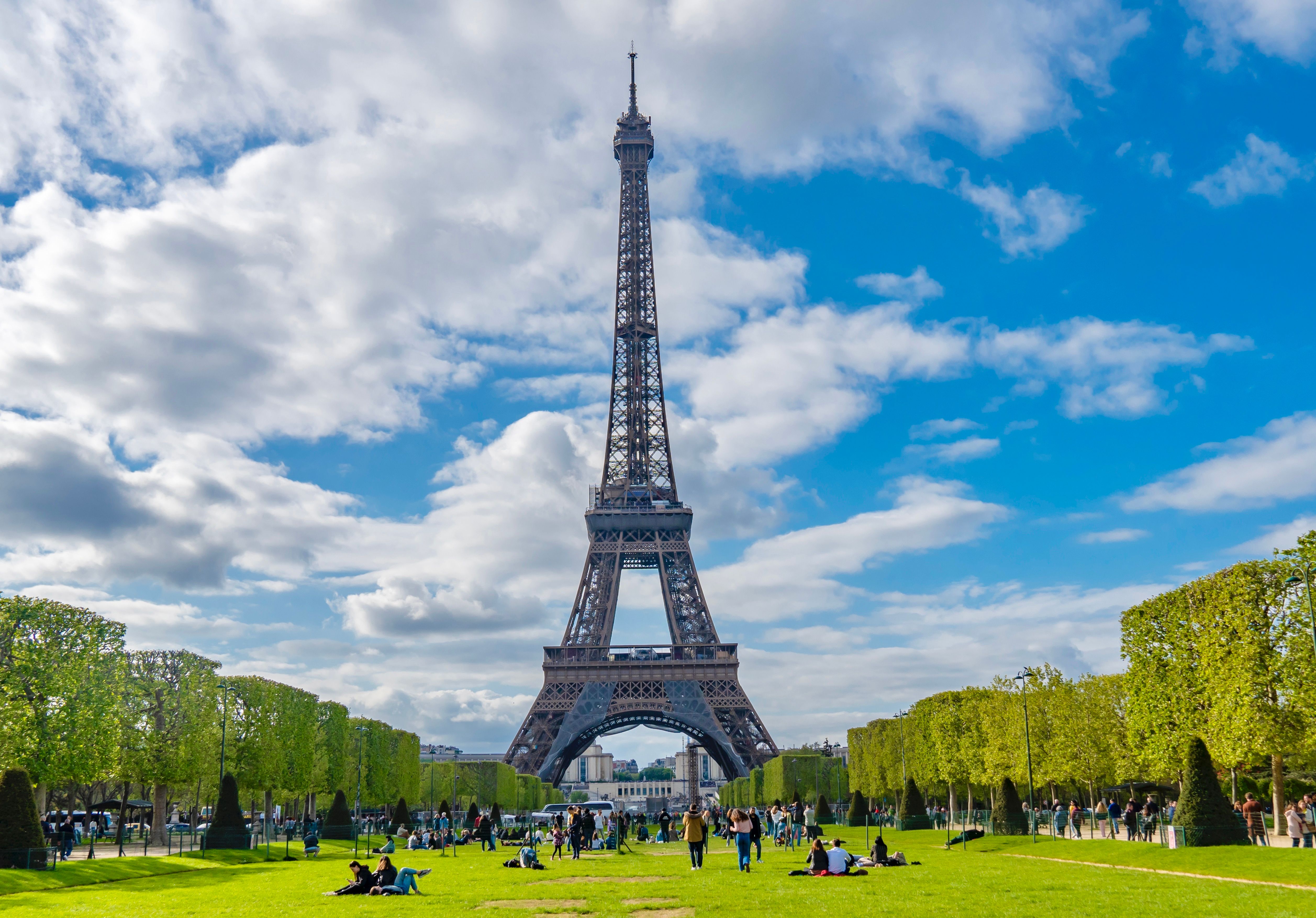
If visiting the Eiffel Tower is one of the reasons you are coming to Paris, I would decide early which level matters to you and check availability for your dates. The same applies to a museum you genuinely do not want to miss, Versailles or a particular timed experience.
The distinction I would keep in mind is simple: book what would genuinely disappoint you to miss, and keep the rest flexible.
For a first trip, one or two fixed experiences can give the itinerary enough structure without turning every day into a sequence of reservations.
Choose your neighbourhood before your hotel
A beautiful hotel is not necessarily a convenient hotel.
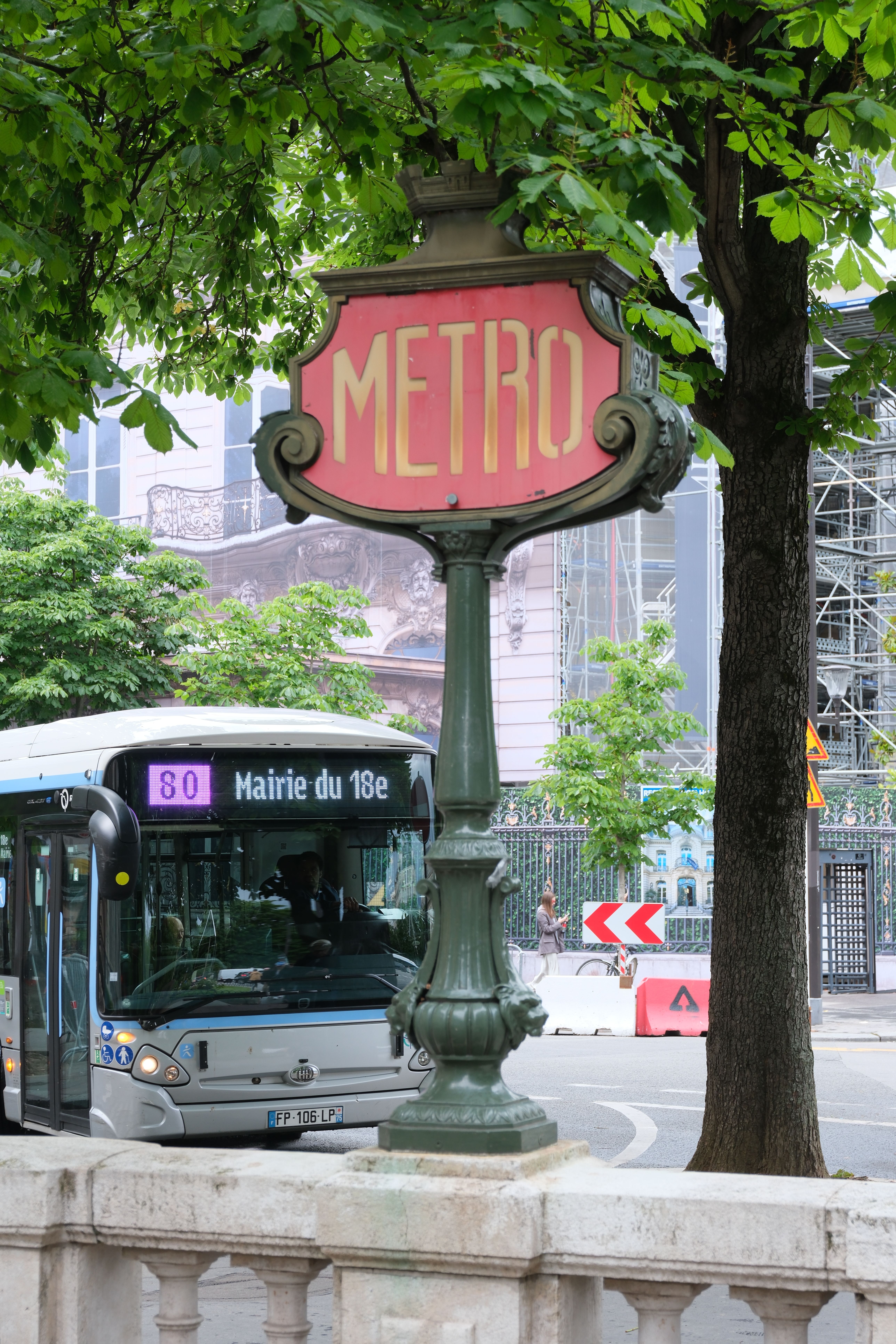
In Paris, where you stay can affect how much time you spend on the Metro, how easily you can return to your room during the day and what your evenings feel like. I would therefore choose the area first and the hotel second.
For a short first visit, being closer to the places you genuinely want to see can sometimes be worth more than getting a larger room farther away. But there is no single “best arrondissement” for everyone.
Someone dreaming about evening walks near the Eiffel Tower may make a very different choice from someone who wants cafés, restaurants and lively streets after dinner. I would compare those areas separately rather than squeezing a hotel list into this planning guide.
Decide what deserves half a day
One of the easiest ways to make Paris exhausting is to treat every attraction as a quick stop.
Versailles is the clearest example. The official Château de Versailles guidance recommends planning a full day if you want to make the most of the estate. The Palace is only part of the visit; the gardens, park and Trianon estate can turn it into a much larger experience.
The Louvre deserves the same kind of thinking for a different reason. You do not have to spend an entire day there, but if there are several works or galleries you genuinely want to see, I would give the museum a proper part of the day rather than placing it between two timed reservations.
The goal is not to see everything. It is to stop losing time because an itinerary looked easier on a map than it feels in real life.
Use closing days — and late openings — to your advantage
Museum schedules do not only create restrictions. They can also help you plan.
The Louvre’s Wednesday and Friday evening openings until 9 pm can be particularly useful on a short trip. I would look at those later hours before automatically placing the museum in the middle of the day.
Opening hours can change for special events or exceptional circumstances, so I would still verify the official website for the exact date of the visit.
Leave one part of every day unplanned
This is probably the part of Paris planning I would protect most: leave some space.
Not an entire empty day. Just enough time that you do not have to look at your phone every twenty minutes because another reservation is approaching.
You may want another coffee. You may discover a street you had never saved. You may reach the Seine at exactly the right moment and decide that sitting there for half an hour sounds better than the next item on your list.
Those moments are difficult to put into an itinerary — and that is precisely why I would leave room for them.
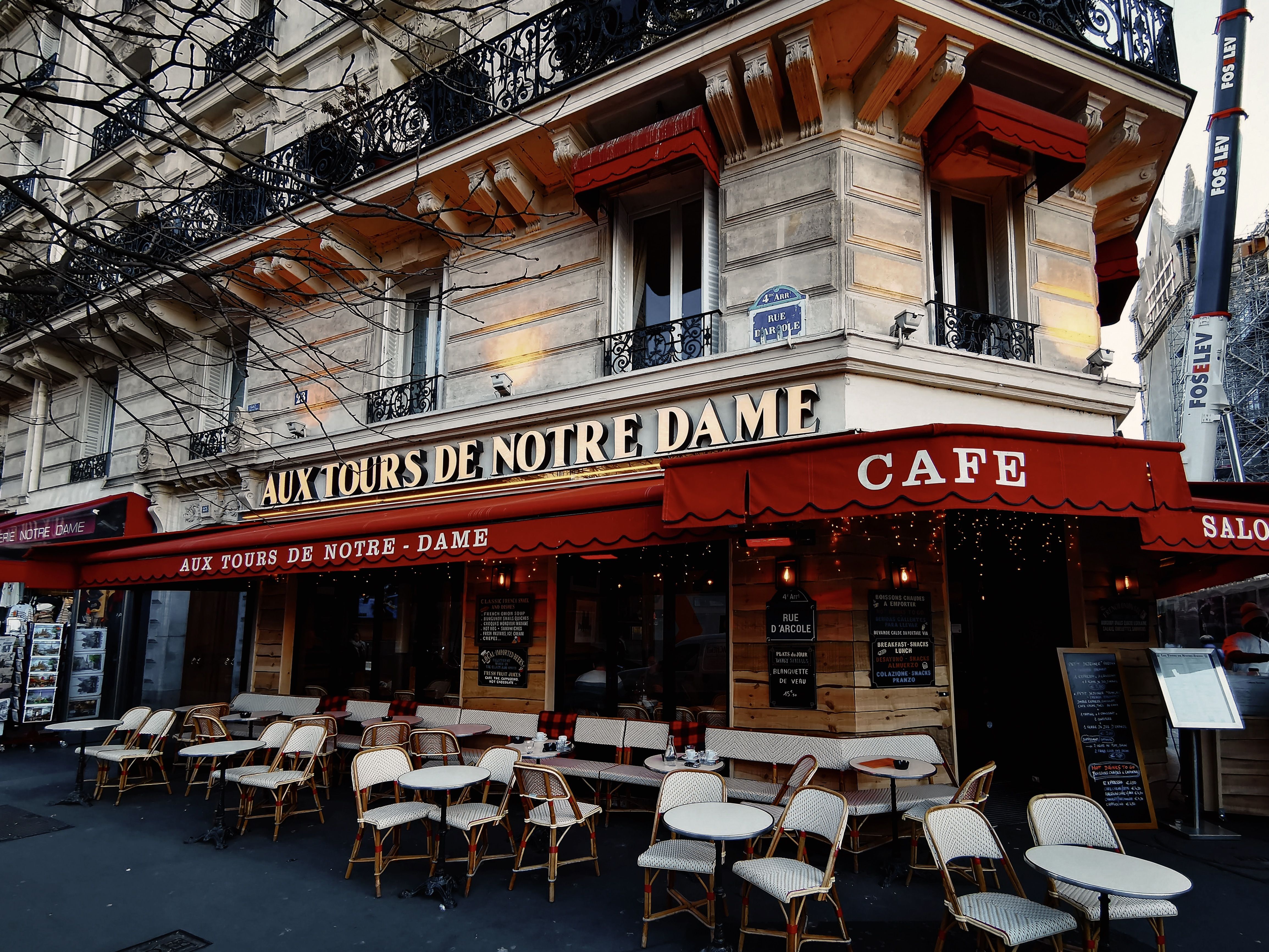
What I would book first for a 3–4 day Paris trip
First: the area and accommodation
Your hotel affects every day of the trip, so I would settle this early. I would compare location, transport connections and the neighbourhood itself — not only room photos and price.
Second: one experience I really do not want to miss
For one person this might be the Eiffel Tower. For another, it could be the Louvre, Versailles or something completely different. The useful question is: “Which experience would I be genuinely disappointed to leave Paris without doing?” I would secure that first.
Third: one museum
On a short trip, I would rather properly enjoy one museum I really want to see than rush through several simply because they are famous.
Fourth: one evening you want to remember
This does not necessarily need to be expensive. It could be a walk along the Seine, dinner somewhere you have been looking forward to, or simply an evening with no museum or timed attraction to rush towards.
If a Seine cruise is something you are considering, I have already covered the sightseeing and dinner options in my Paris in September guide.
And then I would stop booking for a moment. At this point, the structure of the trip already exists.
What can wait
Paris has many experiences that do not need a fixed time slot: walking through Montmartre, sitting in the Luxembourg Gardens, exploring Île Saint-Louis, walking beside the Seine, stopping at a boulangerie or finding a café when you actually want coffee.
These are not empty spaces between the “important” attractions. They are part of the trip.
Keeping some of them flexible also makes it easier to adjust if you are tired, the weather changes or somewhere turns out to be more interesting than expected.
A simple Paris booking order
- Confirm your travel dates
- Choose your neighbourhood
- Book your accommodation
- Check weekly closing days
- Reserve the one or two experiences you care about most
- Plan airport transport
- Add flexible activities
- Leave some space
You do not need a reservation for every good moment in Paris.
Before you go
A few days before departure, I would do one final check rather than assuming everything is unchanged.
Look again at opening hours for your booked attractions. Check your ticket entry times and meeting points. Look at the weather. Check how you will get from the airport to your accommodation.
And download or screenshot the reservations you would not want to search for while standing outside an attraction. Small preparation here makes the first hours in Paris much calmer.
Final thought
Paris does not become better because you managed to fit another attraction into Tuesday afternoon.
For a first trip, I would choose the few experiences I genuinely care about, place them on the right days and let the rest of the city fill some of the spaces between them.
Book the things you would regret missing. Leave room for everything you did not know you would find.