A beautiful hotel in the wrong part of Paris can cost you more than money. It can cost you time.
When I start looking for accommodation in Paris, I do not begin with hotel photos. I do not even begin with the price. I begin with the map.
Because in Paris, where you sleep changes the rhythm of your entire trip.
Stay in the right neighbourhood and you can walk out for breakfast, cross the Seine on foot, stop somewhere you had not planned to visit and still return to your hotel for a short break before dinner.
Stay in the wrong place for your itinerary, and that hotel that looked like a bargain can mean two extra Metro journeys every day.
That is why I would choose the neighbourhood first and the hotel second.
If this is your first visit and you are still deciding what belongs in the trip, start with my first-trip Paris planning guide. Once you know what you actually want to see, choosing where to stay becomes much easier.
There is no single “best arrondissement” in Paris. There is only the area that works best for your trip.
First: do not choose an arrondissement. Choose a micro-location.
This is one of the things I wish more Paris hotel guides explained.
An arrondissement is too large to tell you whether a particular hotel is convenient. Two hotels in the same arrondissement can give you completely different experiences.
One may be five minutes from a useful Metro station, restaurants and cafés. Another may technically be in the same “good area” but add fifteen minutes of walking every time you leave the hotel.
So before I book anything, I zoom right in. I check the nearest Metro station, which lines actually stop there, the walking route from the station to the hotel, and what is immediately around the property.
For a short trip, I would often pay a little more for a hotel five minutes from useful transport rather than save money on a room that adds unnecessary walking and connections to every day.
If airport connections and daily transport matter to you, keep my Paris transport guide open while comparing locations. A good room can become much less convenient if every day starts with an awkward connection.
And remember: the hotel address matters more than the arrondissement number.
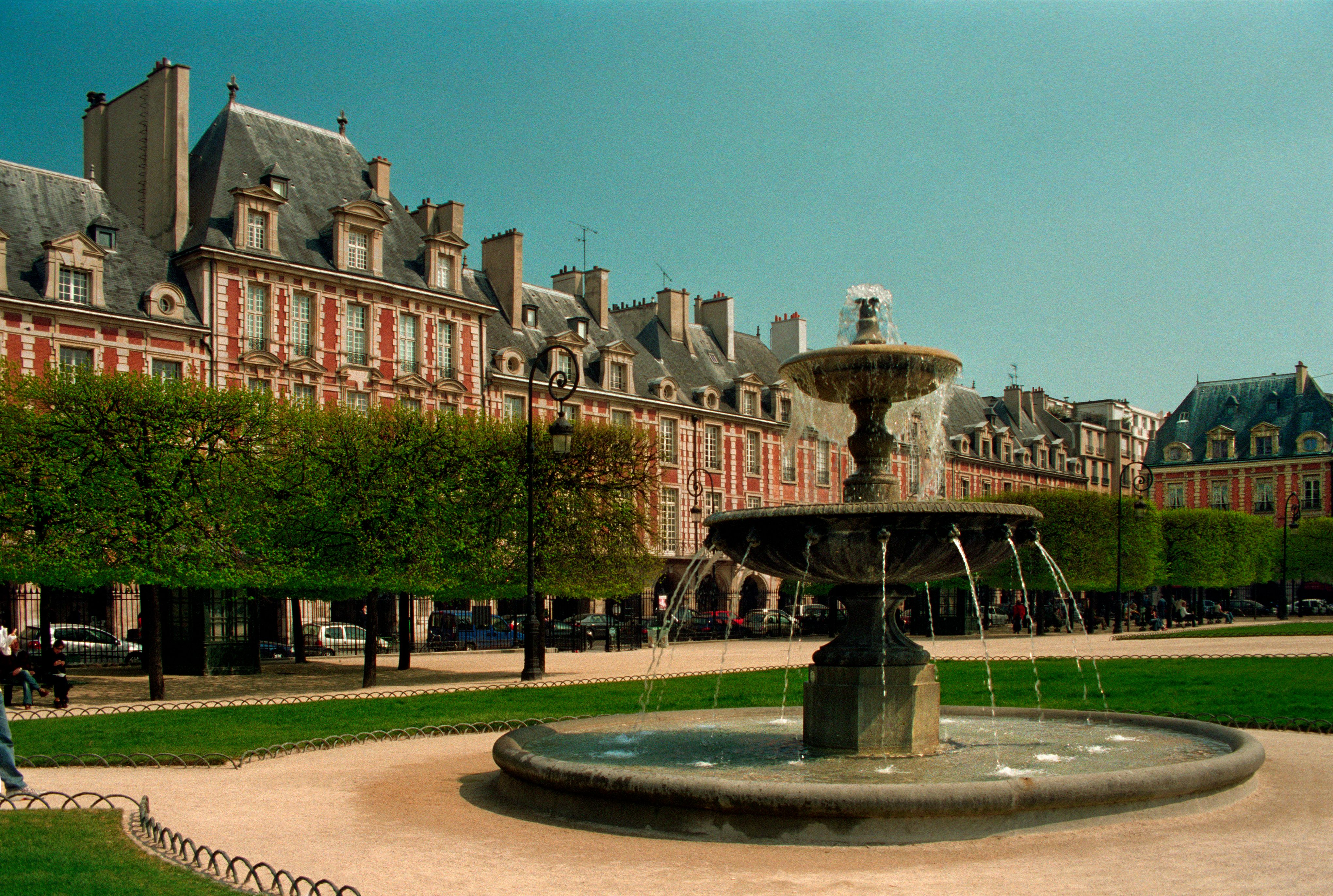
Le Marais — my easiest recommendation for a short first trip
If someone told me, “I have three days in Paris. I want to walk a lot. I do not want to spend half my trip on the Metro,” Le Marais would be one of the first places I would check.
It stretches mainly across the 3rd and 4th arrondissements and puts you close to Place des Vosges, the Seine, Hôtel de Ville and Notre-Dame.
But what I like most is not a particular monument. It is what happens between the monuments.
You leave the hotel and immediately have small streets, cafés, bakeries, boutiques and somewhere interesting to turn almost every few minutes. For a short trip, that matters. The neighbourhood itself becomes part of the day.
The downside is that Le Marais is not a secret local corner anymore. It is extremely popular, accommodation can be expensive and some streets are lively well into the evening. I would check the exact street and recent comments about noise before choosing the prettiest room.
Who I would choose it for
I would choose Le Marais for a 2–4 day first trip when I want Paris to feel easy from the moment I walk outside. I would look elsewhere if quiet evenings and maximum value matter more.
If this sounds like the Paris you want outside your door, I would start by comparing stays in Le Marais on the map before choosing the hotel itself.
Latin Quarter — perhaps the smartest balance for a first visit
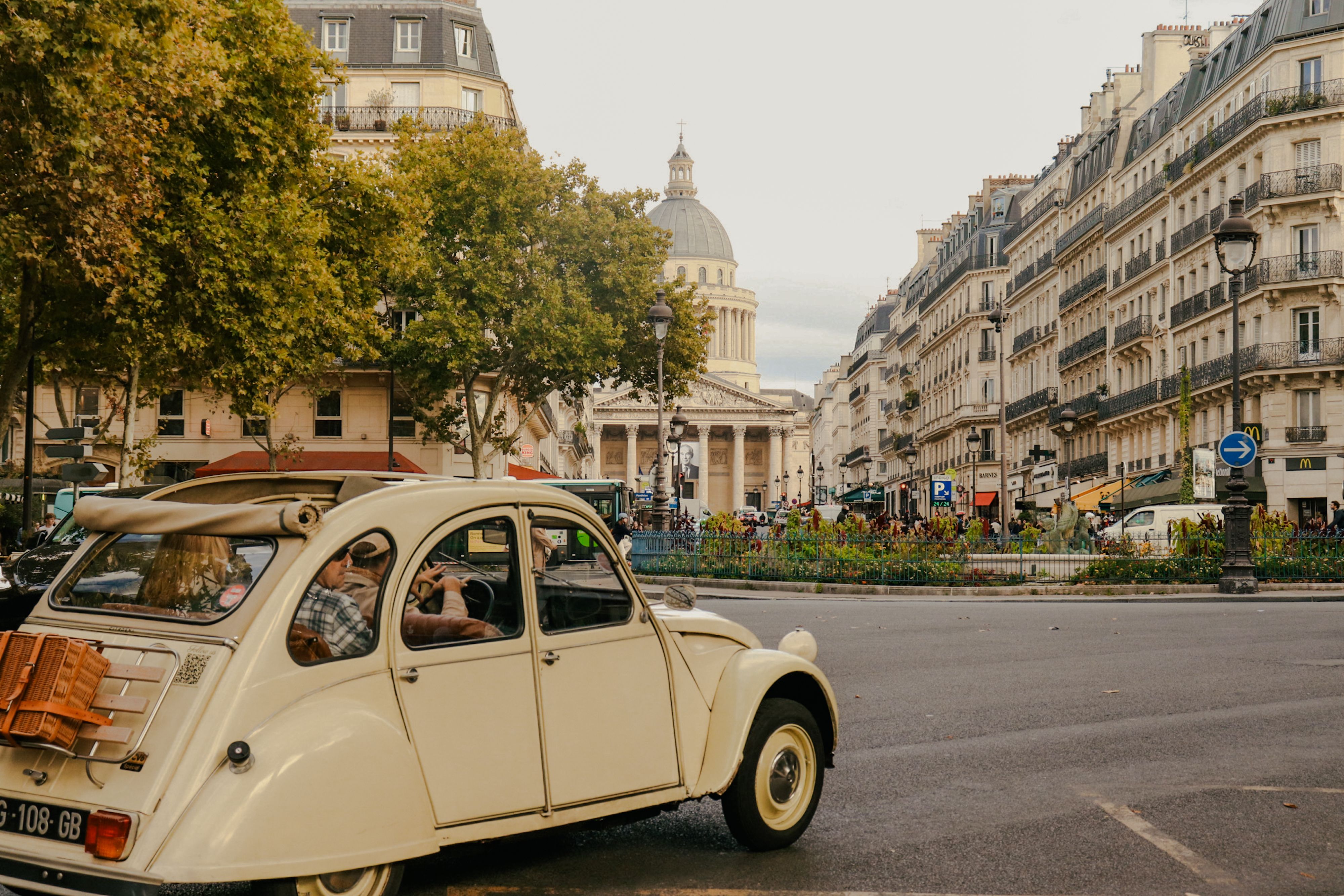
The Latin Quarter is one of the areas I would compare very seriously with Le Marais.
It may not always get the same social-media attention, but from a practical point of view it works beautifully. You have the Panthéon, the Sorbonne and Jardin des Plantes in the area, with Luxembourg Gardens, Notre-Dame and the Seine within easy reach from many parts of the 5th.
And this is one of the big advantages of staying here: a lot of the Paris most first-time visitors want to see can be connected on foot.
The trade-off is micro-location. Some streets are atmospheric and calm; others, especially around the busiest visitor corridors, can feel much more commercial and crowded. I would never choose a hotel here from the neighbourhood name alone.
If location matters more to me than having the trendiest postcode, I would definitely compare stays in the Latin Quarter before paying more elsewhere.
Saint-Germain-des-Prés — the Paris people imagine before they arrive
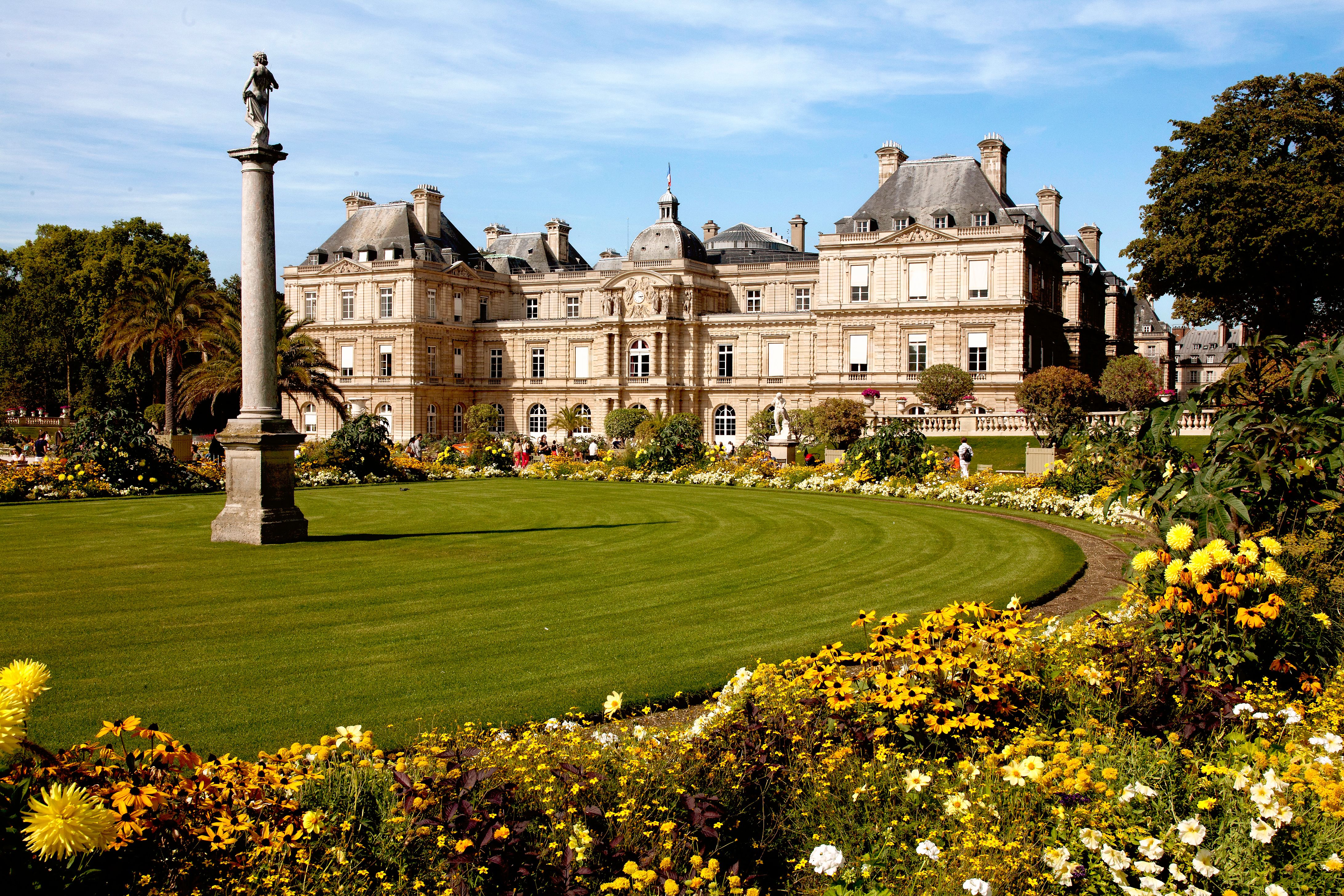
There is a certain version of Paris people picture before their first visit: cafés, bookshops, elegant streets, the Seine nearby and long walks without a real destination.
Saint-Germain-des-Prés comes very close to that picture.
For a romantic trip or a shorter stay where atmosphere matters as much as sightseeing, I completely understand paying more to stay here. You are well placed for the Left Bank, Luxembourg Gardens, the Seine and the Latin Quarter, with several useful transport connections nearby.
Would I pay any price for it? No. This is where people can become emotionally attached to a neighbourhood name. If staying in Saint-Germain means cutting the budget for everything else, I would rather stay somewhere slightly less famous and enjoy the rest of the trip.
For a romantic or more polished Paris stay, I would compare hotels in Saint-Germain-des-Prés, but only after checking whether the price difference still leaves room in the budget for everything else I want to do.
Opéra & the 9th — one of the most practical choices people overlook
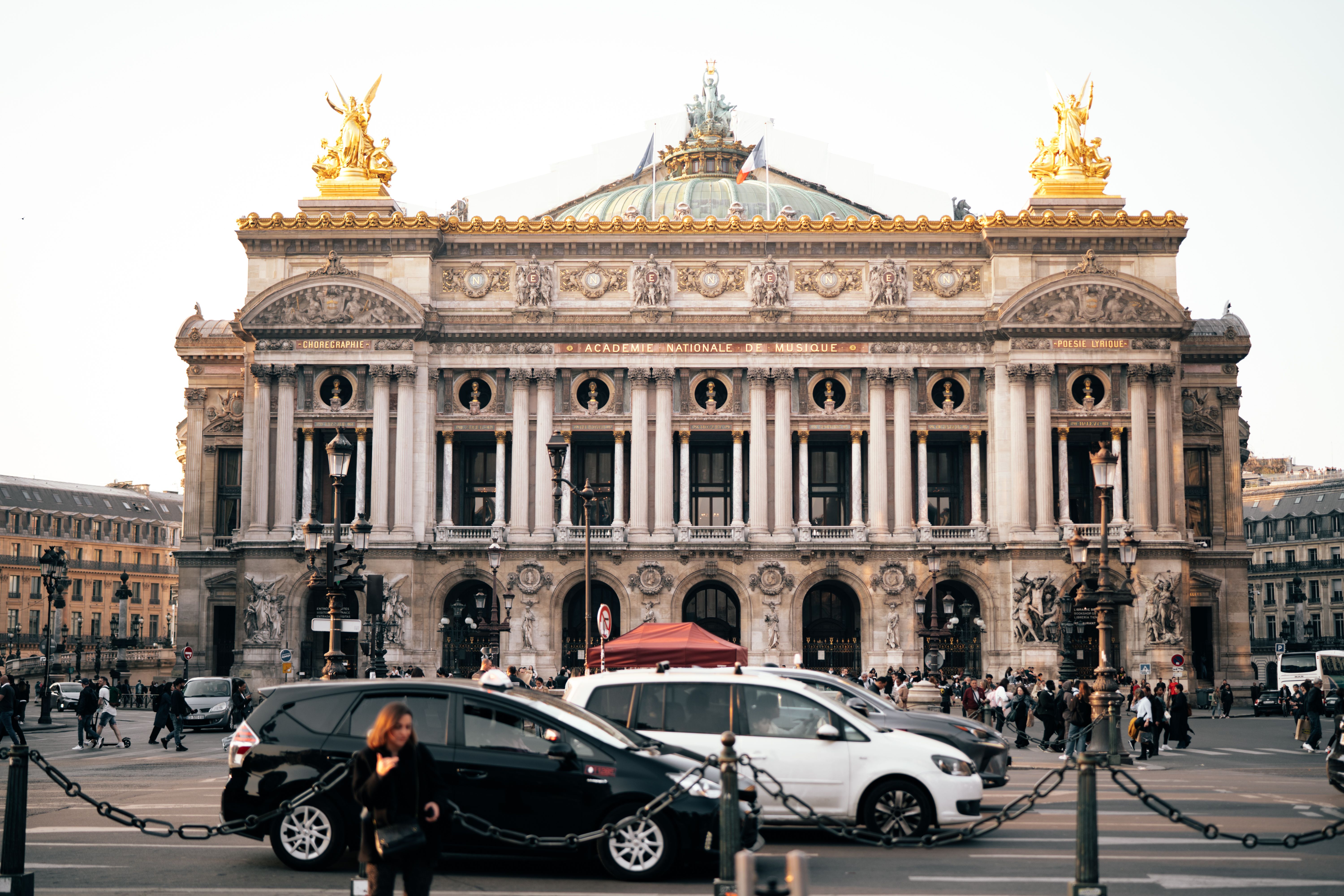
If I were planning a first Paris trip for someone who values convenience, I would not overlook the 9th.
Around Opéra, Grands Boulevards and Saint-Lazare, you have strong transport connections, restaurants, shopping and an easy route toward many parts of Paris.
This is not necessarily the area that produces the most romantic hotel-search screenshot. But that is exactly why I like it: it works.
When you only have three or four days, practical can be luxurious. Not having to make awkward connections every morning is valuable. Being able to come back easily in the afternoon is valuable. Having restaurants around you when you return tired at night is valuable.
Who I would choose it for
Someone who wants sightseeing to be efficient without feeling that they are sleeping far outside central Paris. It would not be my first choice for a honeymoon, but it would be one of my first searches for a practical 3–4 day city break.
For a short city break where convenience matters, I would check stays around Opéra and the 9th arrondissement before assuming I need to stay closer to the Seine.
The 7th & Eiffel Tower — beautiful, but not automatically the best base
This is where I would challenge one of the most common first-trip assumptions.
People see “7th arrondissement” or “near the Eiffel Tower” and immediately think: perfect location.
Sometimes it is. But the Eiffel Tower is one attraction. Paris is not organised around one attraction.
You will still want to reach Notre-Dame, Le Marais, the Louvre, Montmartre and other parts of the city. So I would stay here because I specifically wanted the Eiffel Tower experience, not because I assumed it was automatically the most efficient place to sleep.
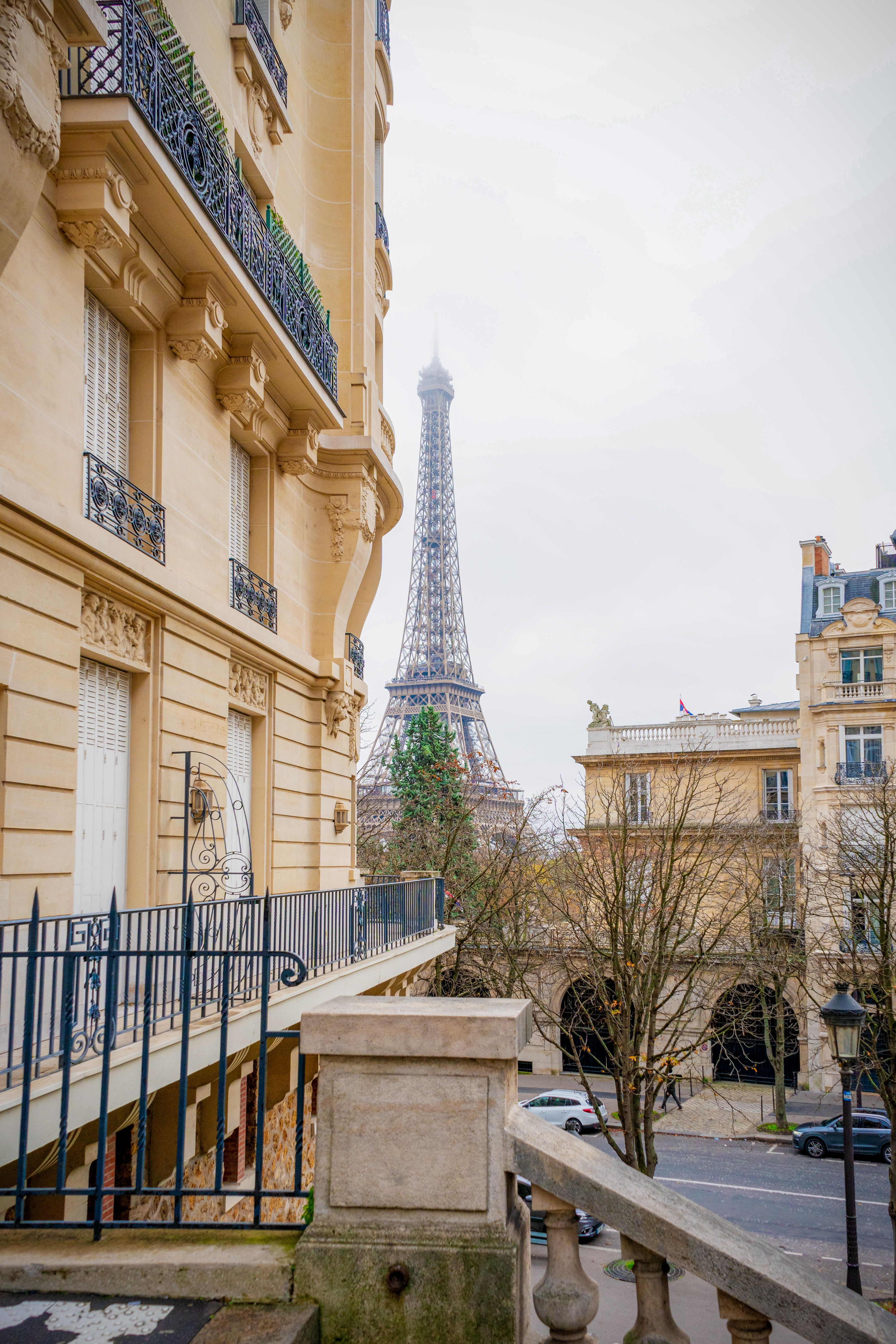
“Near the Eiffel Tower” does not mean “Eiffel Tower view”
These are two different products. If the view is part of what I am paying for, I check the exact room category, not just the hotel gallery. A beautiful Eiffel Tower photo on the property page does not guarantee that my room has that view.
If the Eiffel Tower is part of the experience you are paying for, compare hotels near the Eiffel Tower, but check the exact room description before paying extra.
The 11th — where I would look for food, evenings out and better value
The 11th becomes much more interesting once Paris is not only about monuments.
Around Bastille, République and Oberkampf, the neighbourhood has a different rhythm: restaurants, bars, people actually going out after work and a more lived-in feeling.
Accommodation can also give you more for the money than in the most famous central districts.
The trade-off is time. If I had only two nights in Paris and a long list of major sights, I probably would not choose the 11th first. If I had four or five nights, it becomes much more interesting. You give up a little centrality and gain a neighbourhood that still feels rewarding after the sightseeing day is finished.
If restaurants, evenings out and better value matter more than waking up beside a landmark, I would look through stays in the 11th arrondissement.
Montmartre — stay here because you love Montmartre
Montmartre can be magical. The hill, Sacré-Cœur, small streets and views make it feel different from central Paris.
But I would think carefully before choosing it as my base for a very short first trip.
The 18th arrondissement is large. A hotel can use “Montmartre” in its description while being somewhere quite different from the streets you imagined.
And then there is the hill itself. Slopes and stairs may sound insignificant when booking from your sofa. They feel more significant after 20,000 steps, with luggage, with a child or when you return late and tired.
My rule
I would stay in Montmartre because I want Montmartre to be part of my stay — not because someone told me it is “the romantic neighbourhood of Paris”. For a second visit or a slower weekend, I love the idea. For my first 48 hours in Paris, I would probably visit Montmartre and sleep somewhere more central.
If Montmartre itself is part of the reason you are coming to Paris, then compare hotels in Montmartre — and zoom in carefully on the exact street before booking.
The 15th — the sensible choice nobody puts on Instagram
The 15th is not the arrondissement most people dream about before coming to Paris. And that is exactly why it can make sense.
It is more residential and often quieter. You may find larger rooms or aparthotel-style accommodation more easily than in the historic centre.
This is where trip length changes the answer.
If I had six nights in Paris, wanted more space and did not mind taking the Metro, I would happily compare the 15th. If I had only two nights, I would probably spend more to stay closer to the places I want to see.
Cheap is not always good value. Your time has a price too.
For a longer stay, especially when I want more space or an aparthotel, I would compare stays in the 15th arrondissement before paying central-Paris prices.
So where would I actually stay?
If you want the short version, this is how I would narrow it down:
| Your trip | Areas I would compare first |
|---|---|
| First trip, 2–3 days | Le Marais, Latin Quarter, Saint-Germain |
| First trip, 4–5 days | Add Opéra / 9th and the 11th |
| Romantic weekend | Saint-Germain or Montmartre |
| Eiffel Tower experience | 7th arrondissement |
| Family trip | Latin Quarter or 15th |
| Food & nightlife | 11th |
| Shopping + practical transport | 9th |
| Better value | 11th or 15th |
For my own three-day first trip, I would probably narrow the search to Le Marais, the Latin Quarter and Opéra / 9th. Not because they are objectively the three “best” places to stay, but because they make a short trip easier. And that is the part many hotel rankings miss.
Find your hotel after you choose the area
I would use the hotel map now, not at the beginning. First decide which part of Paris actually suits your trip. Then compare what is available there.
Zoom in before booking. Look at the Metro stations, river crossings and the real walking routes. Two hotels that seem close on a booking list can create very different daily routines once you look at them properly on the map.
Before you book: 7 things I would check on every Paris hotel
- The exact Metro station — not just “Metro nearby”. I want the station name, the lines it serves and the real walking route from the hotel. “500 metres from public transport” tells me very little.
- The walk I will make at night. I zoom in on the streets between the station and the hotel. I use Street View where available and read recent comments about the immediate surroundings. I ask myself: would I be comfortable making this walk at 11 PM?
- The lift. Paris has plenty of beautiful older buildings. Beautiful older buildings do not automatically have convenient lifts. If I have luggage, children or mobility concerns, I check. And if the description says there is a lift, I still read the reviews — Paris lifts can be very Paris-sized.
- Air conditioning. If I am travelling during warmer months, I never assume the room has air conditioning. I check whether it is available in my exact room category.
- The exact room category and view. This matters especially around the Eiffel Tower. “Near the Eiffel Tower” and “Eiffel Tower view” are not interchangeable. If I am paying extra for a view, I want the booking description to confirm it.
- The newest negative reviews. I always read good reviews, but I learn more from recent critical ones. I am looking for patterns: street noise, weak soundproofing, tiny rooms, poor air conditioning, difficult stairs or construction nearby.
- The final price. Before comparing two rooms, I check tourist tax, breakfast, cancellation terms, luggage storage, late check-in and anything charged separately. Only then do I know which hotel is actually cheaper.
The hidden hotel cost people forget: Paris tourist tax
When comparing two Paris hotels, I never compare only the room rate.
Paris charges a tourist tax per adult, per night, and the amount depends on the accommodation category.
For stays from 1 January 2026, the official total rates include €5.53 per adult per night for a 3-star hotel, €8.45 for a 4-star hotel and €11.70 for a 5-star hotel.
So imagine two adults staying four nights in a 4-star hotel: €8.45 × 2 × 4 = €67.60 added to the accommodation cost.
This is why I would always check the official Paris tourist-tax rates before deciding which hotel is actually cheaper. I would also check the final booking breakdown because the way the tax is displayed or collected can differ between bookings.
A word about “safe neighbourhoods”
I am always cautious with articles that divide Paris into simple lists of SAFE and UNSAFE.
Cities do not work that neatly. Even extremely popular tourist areas can attract pickpockets precisely because there are so many visitors there.
So when I assess a hotel, I look at something more practical than the arrondissement number: what is the immediate area around this hotel like? What is the walk from the Metro? Are there restaurants and businesses open in the evening? What do the newest guests say about coming back at night?
That is more useful to me than a generic “best safe neighbourhoods in Paris” list.
For current visitor advice, I would also keep the official Paris visitor safety advice bookmarked before the trip.
My booking rule
I would not book the prettiest hotel first.
I would open the map and ask: where will I actually spend most of my days?
Then I would choose two or three neighbourhoods. Only after that would I compare the hotels.
For a short Paris trip, I would rather have a slightly smaller room in the right location than a larger room that makes me cross the city several times every day.
Because in Paris, one of the best parts of your accommodation is often not inside the hotel. It is what happens five minutes after you walk out of it.